Introduction
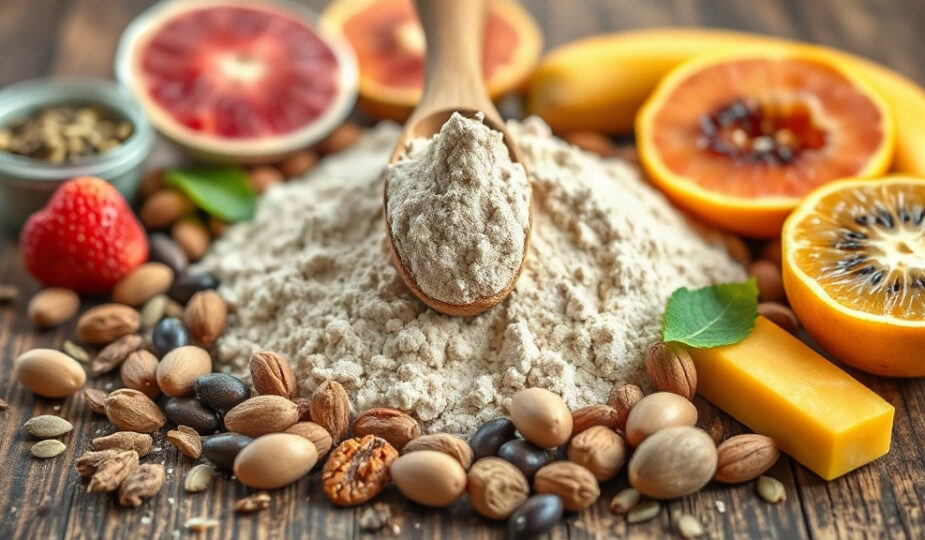
High protein protein powder is a nutritional supplement designed to provide a concentrated source of protein, essential for muscle growth, recovery, and overall health. This supplement has gained immense popularity among fitness enthusiasts and individuals looking to enhance their protein intake. With various formulations available, high protein protein powder can cater to different dietary needs, making it a versatile option for both athletes and casual gym-goers alike. In this article, we will explore the benefits of high protein protein powder, how to choose the right type for your needs, and practical ways to incorporate it into your daily routine.
Understanding High Protein Protein Powder
High protein protein powder is derived from various sources, including whey, casein, soy, pea, and egg. Each type offers unique benefits and amino acid profiles, making it essential to choose based on individual health goals and dietary restrictions. The primary purpose of these powders is to supplement dietary protein intake, which is crucial for muscle repair and growth after exercise. For those engaged in regular physical activity, meeting protein requirements can be challenging, especially if one follows a vegetarian or vegan diet. This is where high protein protein powder comes into play, providing a convenient and efficient means of achieving protein goals.
Types of High Protein Protein Powders
There are several types of high protein protein powders available on the market, each catering to different nutritional needs:
- Whey Protein: This is one of the most popular protein supplements, known for its fast absorption rate and high branched-chain amino acids (BCAAs), which are essential for muscle recovery.
- Casein Protein: Casein digests slowly, providing a sustained release of amino acids. It is an excellent choice for nighttime use to support muscle recovery during sleep.
- Plant-Based Proteins: These include protein powders made from sources like pea, rice, or hemp. They are suitable for vegans and those with lactose intolerance, offering a complete amino acid profile when combined.
- Egg Protein: Derived from egg whites, this protein source is highly bioavailable and rich in essential amino acids.
Choosing the Right High Protein Protein Powder
When selecting a high protein protein powder, consider the following factors:
- Amino Acid Profile: Aim for a protein powder that contains all essential amino acids, especially if you follow a plant-based diet.
- Dietary Restrictions: Check for allergens such as lactose or gluten if you have specific dietary needs.
- Flavor and Additives: Opt for products with minimal additives, sugars, and artificial flavors to ensure a healthier choice.
Benefits of High Protein Protein Powder
Incorporating high protein protein powder into your diet can provide numerous benefits, particularly for those looking to enhance muscle mass, support weight loss, or improve overall health.
Supports Muscle Growth and Recovery
Protein is a vital macronutrient for muscle repair and growth. Consuming high protein protein powder post-workout can help replenish amino acids and promote muscle recovery. Studies have shown that athletes who consume protein supplements experience less muscle soreness and improved recovery times compared to those who do not.
Aids in Weight Management
High protein diets have been shown to promote satiety, helping individuals feel fuller for longer periods. By incorporating high protein protein powder into meals or snacks, you can reduce overall caloric intake and assist in weight management goals. Additionally, protein has a higher thermic effect compared to fats and carbohydrates, meaning your body burns more calories during digestion.
Convenient Source of Nutrition
For those with busy lifestyles, high protein protein powder offers a convenient way to increase protein intake without requiring extensive meal preparation. It can easily be mixed into smoothies, oatmeal, or even baked goods, making it a versatile addition to any diet.
How to Incorporate High Protein Protein Powder into Your Diet
Incorporating high protein protein powder into your meals can be simple and delicious. Here are some practical ways to do so:
Protein Shakes and Smoothies
One of the most popular ways to consume high protein protein powder is by making shakes or smoothies. Simply mix your desired protein powder with water, milk, or a milk alternative, and add fruits or vegetables for added nutrition. This makes for a quick and healthy breakfast or post-workout snack.
Baking and Cooking
High protein protein powder can also be added to various recipes, including pancakes, muffins, or protein bars. This not only boosts the protein content but also enhances the flavor and texture of baked goods. Experiment with different recipes to find your favorites.
Mixing into Meals
Another option is to mix high protein protein powder into savory dishes like soups, stews, or sauces. This can be an excellent way to increase the protein content of your meals without altering the flavor significantly.
Understanding the Risks and Considerations
While high protein protein powder can provide various benefits, it is essential to be aware of potential risks and considerations. Overconsumption of protein can lead to kidney strain in individuals with pre-existing conditions. Additionally, relying solely on protein supplements can result in nutrient imbalances, as whole foods provide additional vitamins and minerals necessary for optimal health.
Potential Side Effects
Some individuals may experience digestive issues, such as bloating or gas, when consuming protein powders, particularly those with lactose intolerance. It is crucial to choose a protein source that aligns with your dietary needs to minimize adverse effects.
Consulting a Healthcare Professional
Before incorporating high protein protein powder into your diet, especially if you have pre-existing health conditions or dietary restrictions, it is advisable to consult with a healthcare professional or registered dietitian. They can provide personalized recommendations tailored to your individual needs.
FAQ
What is high protein protein powder?
High protein protein powder is a dietary supplement that provides a concentrated source of protein from various sources such as whey, casein, plant-based proteins, or eggs. It is often used to support muscle growth, recovery, and overall health by helping individuals meet their daily protein requirements, especially for those engaged in regular physical activity.
How much protein should I consume daily?
The recommended daily protein intake varies based on factors such as age, sex, activity level, and fitness goals. Generally, it is advised that adults consume 0.8 grams of protein per kilogram of body weight. However, individuals engaged in strength training or endurance sports may require between 1.2 to 2.0 grams per kilogram to support muscle repair and growth.
Can I use high protein protein powder for weight loss?
Yes, high protein protein powder can aid in weight loss by promoting satiety and helping you feel fuller for longer. When combined with a balanced diet and regular exercise, protein supplementation can support weight management goals by reducing overall caloric intake and increasing metabolic rate during digestion.
Is high protein protein powder safe for everyone?
While high protein protein powder is safe for most individuals, those with specific health conditions, such as kidney disease, should be cautious with protein intake. It is essential to consult a healthcare professional before starting any supplementation, especially if you have underlying health issues or dietary restrictions.
Can I take high protein protein powder if I am lactose intolerant?
Yes, individuals who are lactose intolerant can opt for lactose-free protein powders, such as plant-based proteins (pea, rice, or hemp) or egg protein. These options provide a quality source of protein without causing digestive discomfort associated with lactose.
When is the best time to take high protein protein powder?
The best time to consume high protein protein powder depends on your fitness goals. For muscle recovery, it is generally recommended to take it within 30 minutes post-workout. However, it can also be consumed as a meal replacement or snack throughout the day to help meet your protein intake goals.
How do I choose the right protein powder for my needs?
When selecting a protein powder, consider your dietary restrictions, taste preferences, and fitness goals. Look for a product with a complete amino acid profile, minimal additives, and a flavor that you enjoy. Additionally, check the source of the protein, as some may be more suitable for your specific needs than others.
Can high protein protein powder replace whole food protein sources?
While high protein protein powder is a convenient way to increase protein intake, it should not completely replace whole food sources. Whole foods provide additional nutrients, vitamins, and minerals necessary for overall health. Aim to use protein powder as a supplement to, rather than a replacement for, a balanced diet.
What are the best ways to use high protein protein powder?
High protein protein powder can be used in various ways, including mixing into smoothies, baking into recipes, or adding to meals like soups and sauces. Experiment with different methods to find what works best for you and to keep your diet varied and enjoyable.
Are there any side effects of using high protein protein powder?
Some individuals may experience digestive issues such as bloating, gas, or discomfort, especially if they consume too much protein or if they are sensitive to certain ingredients. It is crucial to start with a small amount and gradually increase your intake to assess your tolerance.
Conclusion
High protein protein powder can be a valuable addition to your diet, offering numerous benefits for muscle growth, recovery, and overall health. By understanding the different types available and how to incorporate them into your daily routine, you can enhance your nutritional intake effectively. However, it is essential to use protein powder as a supplement rather than a replacement for whole foods and to consult a healthcare professional if needed. With the right approach, high protein protein powder can help you achieve your fitness and health goals efficiently.
Sources
Phillips SM, Van Loon LJ. Dietary protein for athletes: from requirements to metabolic advantage. Journal of Sports Sciences. 2011.
Schoenfeld BJ, Aragon AA. How much protein can the body use in a single meal for muscle-building? A comprehensive review of the protein timing hypothesis. Journal of the International Society of Sports Nutrition. 2018.
Morton RW, Murphy KT, McKellar SR, et al. Protein supplementation to augment resistance training in older adults: A systematic review and meta-analysis. Journal of the American Geriatrics Society. 2018.